
Understanding OWCP Clinics: Services You Should Know
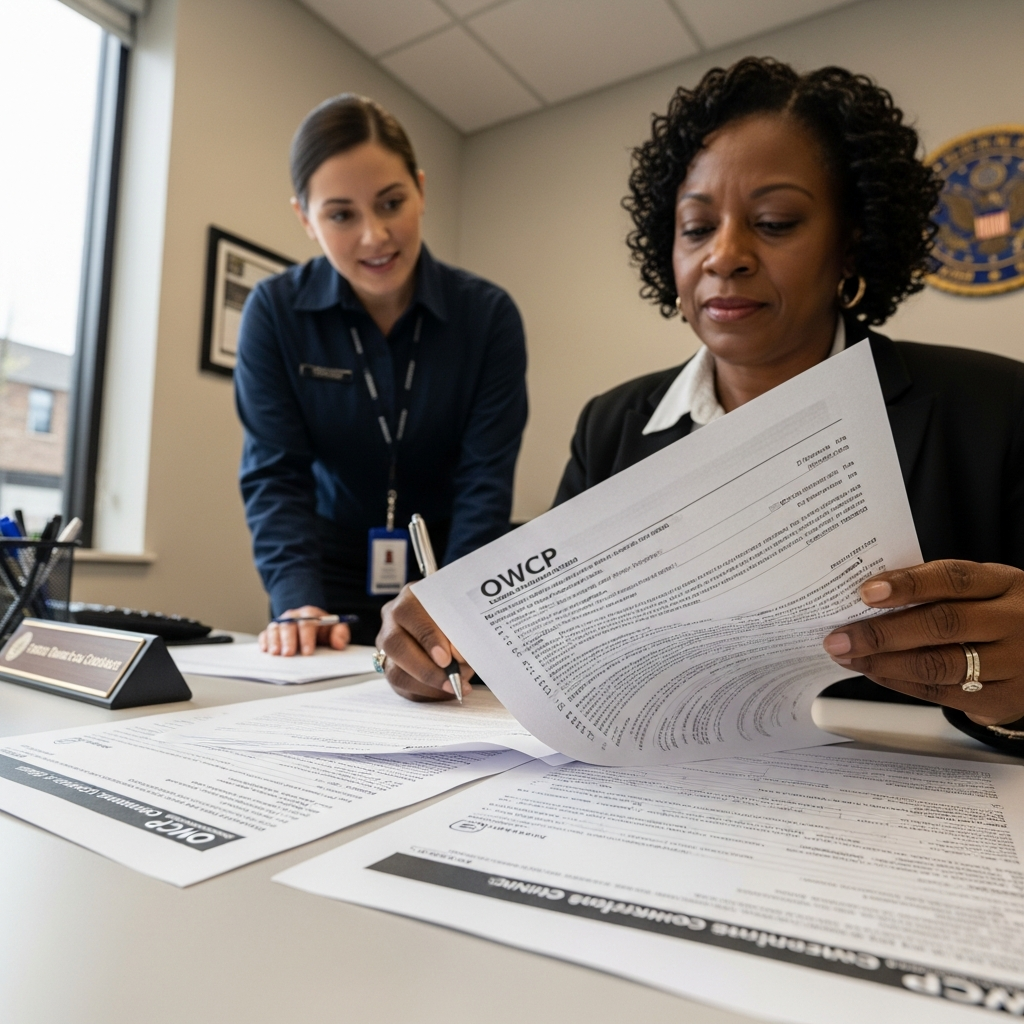
Picture this: You’re a federal employee, you’ve been hurt on the job – maybe it’s a back injury from lifting equipment, maybe it’s carpal tunnel that’s been building for years from repetitive work – and suddenly you’re navigating a system that feels like it was designed by someone who genuinely enjoys making things complicated. You’ve got forms to fill out, deadlines you didn’t know existed, and a stack of medical paperwork that seems to grow taller every time you look at it. And somewhere in the middle of all that stress? You’re supposed to be, you know… *healing*.
That’s a lot to ask of anyone.
If you’ve ever found yourself in that situation – or you’re worried you might someday – then you’ve probably come across the term “OWCP clinic” and wondered exactly what that means. The Office of Workers’ Compensation Programs isn’t exactly a phrase that rolls off the tongue, and the services these clinics provide are, honestly, not explained nearly as well as they should be. Which is frustrating, because what they offer can genuinely change the outcome of your case. And your recovery.
Here’s the thing most people don’t realize until it’s too late: not all medical care is created equal when it comes to federal workers’ compensation. You can’t just walk into any doctor’s office, get treated, and assume everything will work out. The OWCP system has its own rules, its own billing codes, its own documentation requirements – and if your medical provider doesn’t understand those things, the paperwork problems fall right back on you. We’ve seen it happen more times than we’d like to count. A legitimate injury, a genuinely deserving employee, and a claim that gets delayed or denied simply because the medical documentation didn’t meet OWCP’s specific standards.
It’s not fair. But it’s the reality.
That’s exactly why OWCP clinics exist – and why understanding what they actually do matters so much more than most injured federal workers initially think. These aren’t just regular medical offices that happen to accept OWCP billing. A real OWCP-focused clinic is built around the specific needs of federal employees navigating workers’ compensation claims. The difference is a little bit like the difference between taking your very specific, very complicated tax situation to a general accountant versus someone who specializes in exactly your kind of case. Both are technically doing “taxes.” But only one of them knows where the landmines are.
So what are you actually going to learn here? Well, we’re going to walk through the full picture of what OWCP clinic services look like – from the initial medical evaluations that can make or break your claim, to the ongoing treatment and documentation that keeps your case moving forward, to the specialized services most people don’t even know to ask about. We’ll talk about why continuity of care matters so much in these cases (and what happens when it breaks down), and we’ll get into the practical stuff – what to expect at your first visit, what questions you should be asking, and honestly, a few things to watch out for.
Actually, that last part might be the most important thing we cover. Because while most OWCP clinics genuinely want to help you, knowing what good care looks like in this specific context helps you advocate for yourself. And you deserve to be able to do that.
Whether you’re currently dealing with a workplace injury, you’re somewhere in the middle of a claim that feels stalled, or you’re a federal employee who just wants to be *prepared* – because sometimes knowing how a system works before you need it is the smartest thing you can do – this is for you.
The workers’ compensation system can feel enormous and impersonal and frankly exhausting. But your health, your livelihood, and your rights within that system? Those are deeply personal. You shouldn’t have to become an OWCP expert just to get the care you’ve earned.
That’s what we’re here for.
What Exactly Is OWCP, Anyway?
Let’s be honest – the name “Office of Workers’ Compensation Programs” sounds like something a bureaucrat invented specifically to make people’s eyes glaze over. But stick with me here, because once you understand what it actually *does*, it starts to make a lot more sense.
OWCP is a division of the U.S. Department of Labor, and its whole job is to manage compensation and medical benefits for federal employees who get hurt or sick because of their work. Think of it like a very specialized insurance system – except instead of your employer shopping around for a provider, the federal government is running the show directly. That distinction matters more than it might seem at first.
If you’re a postal worker, a federal correctional officer, a military civilian employee, or any number of other federal workers, OWCP is the system that’s supposed to have your back when a workplace injury sidelines you. It covers everything from a back injury from lifting heavy mail sacks to occupational illnesses that develop over years of exposure to something hazardous on the job.
The Four Programs Under the OWCP Umbrella
Here’s where it gets a little confusing – and I won’t pretend otherwise. OWCP isn’t just one program. It’s actually four distinct programs, each designed for a specific group of workers. Getting these mixed up is incredibly common, so don’t feel bad if you’ve been fuzzy on this.
– The Federal Employees’ Compensation Act (FECA) covers most civilian federal employees. This is probably the one most people mean when they say “OWCP.” – The Longshore and Harbor Workers’ Compensation Act covers maritime workers and certain other employees who work on navigable waters. – The Black Lung Benefits Program exists specifically for coal miners dealing with – you guessed it – coal dust-related lung disease. – The Energy Employees Occupational Illness Compensation Program (EEOICP) covers workers who were exposed to radiation, beryllium, or silica while working for the Department of Energy.
The reason this matters when you’re thinking about clinics and medical care is that which program you fall under can actually affect what services you’re entitled to, how claims get filed, and even which providers are familiar enough with your specific situation to actually help.
So What Makes an OWCP Clinic Different?
This is the part that surprises a lot of people. You can’t just walk into any doctor’s office, get treated for a work injury, and expect OWCP to seamlessly cover it. The system has its own network, its own billing codes, its own authorization requirements. It’s a bit like trying to use a Costco membership at Sam’s Club – both are legitimate, both serve real purposes, but they don’t automatically translate.
OWCP clinics – or providers that specialize in treating OWCP patients – understand how to navigate that maze. They know how to file claims correctly, how to document injuries in ways that actually hold up through the approval process, and critically, how to communicate with OWCP case workers in the language the system understands.
A regular primary care doctor might be a genuinely excellent physician and still fumble an OWCP case simply because the administrative side of it is genuinely complex. Actually, that’s one of the most frustrating things injured federal workers run into – getting good medical care but then having claims denied or delayed because of paperwork problems. It happens more than it should.
The Authorization Piece (Bear With Me Here)
One concept worth grasping early is prior authorization – basically, OWCP often needs to approve certain treatments, referrals, or procedures before they happen, not after. This is counterintuitive to most people who are used to seeing a doctor and worrying about insurance later.
Miss that step and you could be on the hook for costs that should have been covered. It’s an annoying quirk of the system, not a reflection of how serious your injury is.
OWCP clinics that know what they’re doing build this step into their process automatically. They’re tracking the authorization requirements so you don’t have to become an expert in federal compensation law just to get your shoulder looked at.
That foundation – understanding who OWCP serves, which program applies to you, and how specialized care fits into the picture – makes everything else about navigating these clinics a whole lot clearer.
What to Actually Bring to Your First Appointment
Look, most people show up to an OWCP clinic with basically nothing and then wonder why their care gets delayed. Don’t do that. Come prepared like you’re building a legal case – because honestly, you kind of are.
Bring every piece of documentation you have: your CA-1 or CA-2 form (whichever applies to your situation), your Employee ID, and any prior medical records related to the injury. If you’ve already seen another provider, get those records transferred *before* your appointment, not after. Even a quick summary from your previous doctor can save you weeks of back-and-forth with the Department of Labor.
One thing people consistently overlook? A written timeline of your injury. Not just the date it happened, but how it developed, what made it worse, what you were doing at work when symptoms started. Specific details matter enormously here. “My back hurt after lifting” is very different from “I was unloading a 60-pound mail cart on an inclined ramp when I felt a sharp pull in my lower left back.” The second version actually tells a story that supports your claim.
How to Talk to Your Provider (This Part Really Matters)
There’s an art to communicating with OWCP clinic providers – and most people miss it entirely. These clinicians are documenting everything with an eye toward the DOL, not just treating you like a standard patient. That doesn’t mean you should be scripted or rehearsed… it just means you need to be precise.
Describe your symptoms in terms of *function*. Instead of saying “my shoulder hurts,” try “I can’t raise my arm above chest level without sharp pain, which means I can’t complete overhead tasks at work.” That functional language directly connects your injury to your job duties – which is exactly what claims examiners need to see in your medical records.
Also – and this is a big one – don’t minimize. A lot of people downplay pain because they don’t want to seem dramatic. But if you’re at a 7 out of 10 on a bad day, say 7. If you’re waking up at night, mention it. Your provider can only document what you tell them.
Understanding Your Treatment Authorization Timeline
Here’s where a lot of claimants get frustrated, and understandably so. OWCP doesn’t work like regular insurance where your doctor orders something and it just… happens. Most treatments require prior authorization through the DOL, and that process has its own timeline.
The practical tip here is to ask your clinic’s billing or case management staff – at your very first visit – which treatments are pre-authorized under your accepted condition code and which ones require additional approval. Knowing that distinction upfront prevents the horrible situation where you show up for physical therapy on week three only to find out it was never cleared.
Routine office visits and emergency treatment typically move faster. Specialty referrals, surgeries, and certain diagnostic tests? Those take longer. Build that reality into your expectations now, not after you’ve been waiting four weeks.
Getting the Most Out of Functional Capacity Evaluations
If your OWCP case involves an FCE – a Functional Capacity Evaluation – treat it seriously. This assessment essentially tells the DOL what you can and cannot do physically, and it often shapes your work status and potential disability rating.
The most important thing to know: perform consistently. FCEs are designed to detect inconsistency, and if your performance varies dramatically between similar tasks, it raises red flags that can damage your credibility. Just do your honest best throughout the entire evaluation, even when you’re tired toward the end.
Equally important – rest the night before. This isn’t the time to push through a rough day. Show up at your actual baseline, not depleted.
If Something Feels Off, Say Something
Your OWCP clinic should be an advocate for your recovery. If a treatment recommendation doesn’t make sense to you, ask about it. If you feel like your restrictions aren’t reflecting how you actually feel day-to-day, bring it up at your next appointment. You have the right to understand your own care plan.
And if there’s a genuine problem – documentation errors, missed referrals, something that could affect your claim – contact your OWCP district office directly. Your clinic wants things to go smoothly too, but ultimately you’re the one responsible for your claim’s outcome. Stay engaged with it.
When the Paperwork Feels Like a Second Job
Let’s be honest – the documentation requirements for OWCP cases are genuinely overwhelming. We’re talking about injury reports, treatment authorizations, work status reports, CA-17 forms, CA-7 forms… it’s a lot. And here’s the thing that trips people up most often: missing a single form or filing it late can delay your entire treatment plan. Not because anyone’s trying to make your life difficult, but because the system genuinely runs on paperwork.
The practical solution? Don’t try to manage this alone. A good OWCP clinic will have a dedicated billing or case management team that handles authorization requests on your behalf. When you’re evaluating a clinic, actually ask them – “Who handles my prior authorizations?” If they look at you blankly, that’s information.
Keep your own copies of everything. A simple folder, physical or digital, where you drop every document you receive. Sounds almost insultingly basic, but you’d be surprised how many people are scrambling six months in because they can’t find a form they signed in month one.
The Authorization Delay Problem
This one causes real frustration. You need an MRI. Your doctor orders it. And then… you wait. Sometimes weeks. The Department of Labor’s authorization process has its own timeline, and it doesn’t always align with how quickly you’re hurting.
What actually helps here is working with clinics that have established relationships with OWCP and understand exactly how to submit requests – the right codes, the right supporting documentation, the right language. A poorly written authorization request gets kicked back. A well-written one moves faster. It’s not magic, it’s experience.
If you’re waiting on authorization for something urgent, communicate that clearly – in writing – to both your clinic and your OWCP representative. Documented urgency matters. A phone call is forgettable. An email creates a record.
Finding a Provider Who Actually Accepts OWCP
Here’s something nobody really warns you about: not every doctor accepts OWCP patients, and some who technically accept it… don’t really understand it. There’s a difference. A provider who doesn’t know how to document an OWCP case properly can inadvertently create gaps in your record that complicate your claim later.
You want a clinic that works with OWCP regularly, not occasionally. Ask directly: “What percentage of your patients are OWCP cases?” The answer tells you a lot about their familiarity with the process.
Geography can be a real barrier too, especially for federal workers in rural areas. Telehealth has opened some doors here – certain evaluations and follow-ups can happen remotely now, which genuinely helps people who’d otherwise be driving two hours for a fifteen-minute appointment.
When Your Claim Gets Disputed or Denied
This is the hard one to talk about. Sometimes claims get denied – partially or fully – and it feels like the rug getting pulled out. It’s demoralizing, especially when you’re already dealing with an injury.
A denial isn’t necessarily the end, though. It’s often the beginning of a different process. You have the right to appeal, and the medical documentation from your clinic becomes absolutely critical at that point. This is where thorough, consistent clinical notes matter enormously. Every appointment, every symptom you reported, every functional limitation – it should all be in your record.
If you’re facing a dispute, consider consulting with a workers’ comp attorney who specializes in federal cases. Many offer free initial consultations. Your OWCP clinic can often refer you to someone reputable – actually, that’s a good question to ask your clinic even before any dispute arises. Know your resources before you need them.
Communication Gaps Between Your Clinic and Your Agency
Your employer, your OWCP case, and your clinic all need to be speaking the same language about your work status and capabilities. When they’re not? Things fall through the cracks. Return-to-work timelines get muddled. Modified duty accommodations don’t get communicated properly.
Ask your clinic explicitly who is responsible for sending work status reports to your agency and how often. Some clinics do this automatically. Others need a reminder. Neither is a dealbreaker – you just need to know which situation you’re in.
The workers who navigate OWCP most successfully tend to be the ones who stay engaged, ask questions, and treat themselves as an active participant rather than just a patient waiting for things to happen to them. The system has real friction built into it. That’s just true. But it’s workable friction – especially when you’ve got a clinic that knows what they’re doing.
What to Actually Expect (And When)
Let’s be honest with each other for a second. One of the biggest sources of frustration we hear from federal workers navigating OWCP care is that nobody told them what “normal” looks like. They expected things to move faster, or they got discouraged when progress felt invisible. So let’s talk about the real timeline – the unglamorous, sometimes tedious, but ultimately workable reality of OWCP treatment.
First thing to understand: this process is measured in weeks and months, not days. If you’ve just had your initial evaluation, you’re at the very beginning of what might be a fairly long road. That’s not bad news, exactly – it’s just the truth. And knowing it upfront means you won’t feel like something’s broken when you’re still in active treatment eight weeks from now.
Your First Few Appointments
The early visits are mostly about building a picture. Your provider is gathering information, documenting your injury, establishing baselines, and – critically – creating the kind of paper trail that OWCP requires before almost anything else can happen. It can feel slow. You might leave your second or third appointment thinking, “we’re still just… talking?”
Yes. For a while, that’s a big part of it.
Treatment plans usually take shape within the first two to four weeks. Referrals to specialists, physical therapy, or diagnostic imaging often can’t happen until your primary OWCP provider has submitted the right authorization requests – and those requests have to be approved. That approval process alone can take one to three weeks, sometimes longer. Nobody loves that part. But it’s the reality of working within a federal workers’ compensation system, and experienced OWCP clinics know how to move those requests along as efficiently as possible.
The Middle Phase – Where Most People Get Discouraged
Here’s where it gets real. Somewhere around weeks four through twelve, many patients hit a wall – not physically, but emotionally. Progress can feel stalled. You’re going to appointments, doing the work, but maybe you’re not dramatically better yet. The paperwork is piling up. You might be dealing with questions from your employer, confusion about your benefits status, or just plain exhaustion from the whole thing.
This is normal. Actually, it’s so normal that we’d be more surprised if you *didn’t* hit this point.
What matters here is staying consistent with your treatment plan and keeping communication open with your care team. If something isn’t working – a therapy approach that’s not helping, a medication causing side effects, a referral that seems to have fallen through the cracks – say something. Your care team can’t adjust what they don’t know about. OWCP clinics that specialize in this work are used to advocating on your behalf, and they want to hear from you.
When You Can Expect to See Real Progress
This depends enormously on the type and severity of your injury, and anyone who gives you a specific guarantee is overselling. That said, most patients with musculoskeletal injuries – back injuries, repetitive strain, that sort of thing – start to see meaningful functional improvement somewhere between eight and sixteen weeks of consistent, appropriate treatment.
“Meaningful” doesn’t always mean pain-free. It might mean you’re sleeping better, or you can sit for longer periods, or you’ve reduced your pain medication. Progress in injury recovery is often like that – quieter and less dramatic than you’d hope, but real.
More complex cases, surgeries, or conditions involving psychological components like work-related PTSD or anxiety can take considerably longer. There’s no shortcut there, and it’s worth having that honest conversation with your provider early on.
What You Should Be Doing Right Now
Whether you’re just starting out or already a few months in, a few things are always worth staying on top of
– Keep copies of everything. Every form, every referral, every letter from OWCP. Seriously, everything. – Attend every appointment you can. Missed visits can affect your claim status. – Ask your care team about your treatment plan in plain language. You deserve to understand what’s happening and why. – Don’t make major decisions about your claim without guidance. If you’re feeling pressure to return to work before you’re ready, that’s a conversation worth having with your provider and potentially an OWCP attorney.
The path through this isn’t always smooth, and it’s rarely as fast as any of us would like. But you’re not navigating it alone – that’s exactly what an experienced OWCP clinic is there for.
Here’s a warm conclusion for your article
—
If there’s one thing that’s true about navigating a federal workers’ compensation claim, it’s that you really shouldn’t have to figure it all out alone. The system is complicated – honestly, sometimes it feels like it was *designed* to be confusing – and the stakes are high. Your health, your livelihood, your ability to return to the work you’re good at. That’s not small stuff.
What OWCP-authorized care is really about, when you strip away all the paperwork and procedure codes and authorization numbers, is making sure you get the medical support you actually need. Proper documentation so your claim holds up. Treatment that’s designed around your recovery, not just your diagnosis. Providers who understand how to communicate with the Department of Labor in ways that protect your interests. These aren’t just nice extras – they’re the difference between a claim that moves forward and one that stalls out in limbo.
And here’s something worth sitting with for a moment… so many federal employees come to us *after* experiencing delays, denials, or just this nagging sense that something isn’t going quite right with their care. They wish they’d connected with an OWCP-experienced clinic sooner. Not because earlier is always better as some kind of rule, but because the right support from the beginning genuinely makes things smoother. Less stressful. More focused on what matters, which is healing.
You Deserve Care That Actually Works for You
It’s worth remembering that being injured on the job doesn’t make you a burden or a problem to be managed. You did your job – sometimes in physically demanding, high-stakes, or unpredictable conditions – and your body paid a price for that. The benefits and services available through OWCP exist specifically because that reality was recognized. You earned this. The question is just whether you have the right people in your corner helping you access it.
A good OWCP clinic isn’t going to make your injury disappear or untangle every bureaucratic knot overnight. We wish we could promise that. But what experienced, attentive care *can* do is give you clarity about where you stand, make sure your medical records reflect the full picture of how your injury is affecting your life, and build a treatment plan that’s actually pointed toward getting you better – not just managing symptoms indefinitely.
Ready to Talk?
If you’ve been injured at work and you’re feeling uncertain about where to turn, or if you’re already in the OWCP process and something just feels off… reach out. Seriously. Even just a conversation can help you understand your options better.
Our team works with federal employees every day – people dealing with everything from orthopedic injuries to occupational illnesses – and we genuinely want to help. No pressure, no confusing upsell. Just real information from people who know this system and care about getting you the support you deserve.
You can contact us to schedule a consultation, ask a question, or just talk through what you’re experiencing. Whatever you need. We’re here, and we’re glad you’re taking steps to look after yourself – because honestly? That takes courage too.